


 Contact us







A Bigger Villa or a Better Location? What Are You Really Buying in Spain?
More space, a generous plot, a modern home or a location where you can walk to everything? When buying a villa on the Costa Blanca, the choices we make today can look very different ten years from now.
There is something undeniably appealing about a spacious Mediterranean villa. A private swimming pool, mature gardens, generous terraces and enough bedrooms for family and friends to visit are often at the heart of what people imagine when they decide to buy a home in Spain. For many buyers, having more space and enjoying outdoor living are precisely the reasons they have chosen the Costa Blanca.
The reality of the property search can be rather different from that initial vision. A buyer may want a substantial villa, a generous plot, a particular neighbourhood and a home that is modern, comfortable and ready to enjoy. Each requirement is perfectly reasonable, yet finding all of them within the same budget can be challenging. The villa with the ideal plot may require considerable renovation, while the beautifully finished property may have a smaller garden or be situated farther from the amenities the buyer hoped to have nearby.
This is where buying property becomes more than comparing bedrooms, square metres and asking prices. It becomes a question of understanding what matters most, what compromises are acceptable and how the decision might look in five or ten years.
When the Wish List Meets the Market
One situation we encounter in estate agency is buyers searching for a large villa on a substantial plot in a specific location, while also wanting contemporary interiors and little or no renovation work. In established areas such as Ciudad Quesada, some properties offer exactly the space, privacy and surroundings they are seeking, although the buildings may have been constructed decades ago and now require significant updating. Fully renovated villas with similar characteristics may also be available, but their asking prices often reflect the work already completed.
For buyers who have no desire to undertake renovation, the options may involve accepting a smaller property, a more compact plot, a different location or a higher purchase budget. This is not necessarily about lowering expectations; it is about recognising which requirements are essential and which are preferences. Someone who loves gardening and values privacy may consider a generous plot non-negotiable, while another buyer may be perfectly happy with less outdoor space if it means being able to move straight in and walk to shops and restaurants.
Neither buyer is making the wrong decision. They are simply placing different values on the same characteristics, and understanding those priorities is often what makes a property search more productive.
Sometimes the Real Value Is in the Land
When viewing an older villa, it is easy to focus immediately on the dated kitchen, bathrooms or decorative finishes and begin calculating the cost of replacing them. What can be overlooked is the land on which the property stands. In parts of Ciudad Quesada and other established Costa Blanca neighbourhoods, older villas occupy generous plots with mature gardens, privacy and considerable separation from neighbouring homes. These characteristics can be difficult to replicate in certain newer developments, where available land may be used more intensively.
A kitchen can be replaced, bathrooms modernised and interiors redesigned, while improvements to glazing, insulation and installations can make an older home considerably more comfortable. The size and position of a plot, however, cannot usually be changed. This is why a substantial older villa in a desirable location can present an interesting opportunity, particularly where the underlying structure is sound and the purchase price leaves sufficient room for a properly planned renovation.
Ciudad Quesada offers examples of properties where thoughtful modernisation can combine the advantages of an established plot with the comfort and presentation expected by today's buyers. In the right circumstances, that transformation can create considerable value, although the financial outcome depends on the total investment rather than the renovation alone. Purchase costs, professional fees, building work, unforeseen expenditure and the realistic selling price of comparable properties all need to be considered.
It is equally important not to assume that a large plot automatically offers development potential. Extensions, additional buildings or dividing land may be restricted by planning regulations, existing construction and permitted building allowances. Sometimes the greatest value of the plot lies not in what else can be built on it, but in the privacy, outdoor space and lifestyle it already provides.
When Delayed Maintenance Becomes Expensive
There is an important distinction between maintaining a property and renovating it. Maintenance protects the condition of what you already own, whereas renovation changes or improves it, potentially increasing its comfort, appeal or market value. Both involve expenditure, but postponing essential maintenance can have consequences that are considerably more expensive than the original work.
A small waterproofing problem may initially seem manageable, yet over time it can lead to damp, damaged finishes and more extensive repairs. Poor drainage, ageing pool equipment, deteriorating exterior walls and neglected installations can create similar problems. What begins as a relatively modest repair may eventually become a succession of costly issues, particularly where maintenance has been deferred for several years.
The consequences often become apparent when owners decide to sell. Prospective buyers consider not only the visible cost of repairs but also the inconvenience of organising the work, the possibility of discovering further problems and the overall impression of how the property has been cared for. These concerns can affect the offers they are prepared to make, sometimes reducing the achievable selling price by more than the cost of addressing the original issue at an earlier stage.
Owners can therefore lose money through the increasing cost of repairs and through the effect that visible deterioration has on buyer confidence. A property that has been enjoyed and naturally aged is very different from one where essential maintenance has repeatedly been postponed. Regular upkeep may not be the most exciting aspect of villa ownership, but it remains one of the most effective ways to protect the condition and appeal of a home.
Renovation: An Opportunity or a Full-Time Job?
A substantial renovation can be enormously rewarding, particularly when an older villa has good proportions, a sound structure and a desirable plot. For buyers who enjoy the process, transforming an established property into a contemporary home can be part of the attraction, especially when the finished result offers space and characteristics that would be difficult to obtain in a comparable new build.
The practical reality, however, goes far beyond choosing tiles, kitchens and bathroom fittings. There are quotations to compare, contractors to coordinate, materials to order, technical decisions to make and schedules to manage. Unexpected issues can arise once work begins, particularly in older buildings, and even relatively straightforward projects can become time-consuming when several trades need to work together.
For someone living abroad, managing this process from another country can be especially challenging. A substantial renovation can quickly become a full-time job without experienced local support, which is why finding appropriately qualified and reliable professionals is so important. Good advice at the beginning can help identify potential problems, establish realistic budgets and ensure that essential work is prioritised before money is committed to decorative improvements.
An independent technical assessment is particularly valuable when considering a property that requires significant work, and buyers should also establish whether existing extensions, enclosed terraces, swimming pools and other alterations have the necessary permissions and documentation. With the right preparation and professional support, renovation can be a positive experience and a worthwhile investment. For buyers who have neither the time nor the appetite for managing a building project, purchasing a finished property may simply be the more suitable choice.
Spend Properly on What Matters
One of the more avoidable mistakes in renovation is spending heavily on what people see while economising on the elements that determine how well the property actually functions. There is nothing wrong with choosing a beautiful designer sofa, an expensive kitchen or decorative finishes that reflect personal taste, particularly when creating a home intended to be enjoyed for many years. The difficulty arises when essential building work becomes the area where savings are made to accommodate those more visible purchases.
Good-quality windows and glazing, effective blinds and shading, suitable insulation, reliable plumbing and electrical installations, proper waterproofing and efficient heating and cooling systems all deserve careful consideration. Solar panels may also be a worthwhile addition where the property and household energy consumption make them appropriate. These features may not create the same immediate impression as designer furniture, but they can have a far greater influence on comfort, energy consumption and long-term maintenance.
A sofa can be replaced relatively easily, while correcting poorly installed windows, defective waterproofing or inadequate building work later can be considerably more disruptive and expensive. This does not mean choosing the most expensive products throughout the property; it means understanding where quality, correct installation and long-term performance genuinely matter.
There is also a distinction between renovating for personal enjoyment and renovating for return on investment. If the intention is to create a dream home, personal preferences will quite reasonably influence many decisions. If the objective is financial return, spending heavily on decorative features that do little to improve a property's market value can become an expensive mistake. A future buyer may admire an elaborate bathroom or designer kitchen without being prepared to pay the full cost of installing it, because the market ultimately assesses the finished property against comparable homes rather than the amount spent improving it.
Why Some Buyers Prefer New Builds
The appeal of a new-build villa is easy to understand, particularly for buyers who have no desire to manage renovation work. Modern layouts, contemporary finishes and the convenience of moving into a completed property can make the experience of buying in Spain considerably simpler. For international purchasers who want to begin enjoying their home immediately, avoiding months of building work may be a significant advantage.
Modern construction is also generally subject to more demanding building and energy-performance requirements than homes built several decades ago. Depending on the specification, a new villa may incorporate improved insulation, efficient glazing, effective shading, electric blinds, modern climate-control systems and solar installations. These are features worth assessing carefully, particularly as energy efficiency, summer comfort and running costs become increasingly important considerations.
New homes in Spain also benefit from a statutory framework of building responsibilities and guarantees, with different periods applying to certain defects and structural matters. Buyers should understand which protections apply to their particular property, what documentation is available and how any problems would be addressed. New construction is not automatically free from defects, so workmanship, the developer's reputation, the agreed specification and after-sales service remain important.
An older villa that has been professionally renovated may offer equally impressive comfort and energy performance, while retaining the advantages of a more generous plot or established surroundings. For some buyers, the convenience and modern standards of a new build will outweigh the appeal of additional land. Others will see greater potential in an older property they can adapt to their own needs.
The Home You Want Today May Not Be the Home You Want in Ten Years
One of the more interesting patterns we see on the Costa Blanca is how property priorities change over time. A large villa with extensive gardens, several bedrooms and a private swimming pool may be ideal when family visits are frequent, children or grandchildren are younger and outdoor entertaining is a major part of everyday life. The same property can provide years of enjoyment and become the setting for countless family memories.
Ten or fifteen years later, those priorities may be quite different. Owners may find they no longer use every bedroom, want to spend less time maintaining the garden or would prefer to walk to restaurants, shops and everyday services rather than rely on a car. We regularly encounter people considering a move from a substantial villa to a smaller, more manageable home in a location where amenities are within easy walking distance.
This does not mean that purchasing the larger villa was a mistake. It may have been exactly the right home for a particular stage of life, and the enjoyment it provided should not be overlooked simply because the owners' circumstances have changed. The observation does, however, raise a worthwhile question for anyone buying today: will the characteristics that matter most now still be equally important in ten years?
There is no need to sacrifice the lifestyle you want today purely because your priorities might change. Recognising that they can change may nevertheless influence the location you choose, the amount of maintenance you are prepared to take on and how much money you invest in a property over time.
Look at the Neighbourhood, Not Just the House
A property's surroundings can evolve considerably during the time you own it, and those changes may influence its appeal just as much as improvements made to the building itself. Ciudad Quesada is a useful example of an established residential area that has developed over many years. Some villas built when their surroundings were less developed now benefit from mature neighbourhoods, established infrastructure and a wider range of nearby amenities.
Future development deserves similar consideration. An empty plot beside a villa may eventually be built upon, while new roads, services and residential projects can improve convenience and change the character of an area. Additional construction may also affect traffic, privacy and views, making it important to investigate relevant municipal planning information where these factors are significant to a purchasing decision.
It is worth considering the type of buyer a property may attract in the future. A substantial villa on a generous plot may appeal to families or purchasers seeking privacy and outdoor space, while a smaller home within walking distance of amenities may attract people who prioritise convenience and manageable maintenance. Neither buyer group guarantees stronger demand, and predictions of future price growth should always be treated with caution.
Looking at how a neighbourhood has changed over the previous decade can provide useful context, while considering what may happen over the next ten years can help buyers make a more informed decision. The aim is not to predict the market with certainty, but to understand the characteristics of the location and how they may affect both lifestyle and future resale appeal.
A Home, an Investment or a Combination of Both?
A home is not measured entirely in financial terms. A family may spend many happy years enjoying a large garden, swimming pool and spacious villa, investing in improvements because those changes make everyday life more comfortable rather than because they expect to recover every euro when they eventually sell. That is a perfectly reasonable approach, provided the expenditure is affordable and the owners understand what they are choosing.
An investment-led purchase requires a different calculation. The price paid, transaction costs, renovation expenditure, ongoing maintenance and likely resale market all influence the eventual financial outcome. A property purchased at the right price and renovated thoughtfully can offer excellent potential, while the same project may become financially disappointing if costs escalate or the finished property is valued beyond what comparable homes in the area can support.
Avoiding necessary expenditure is not necessarily a sensible investment strategy either, because deferred maintenance can erode the very value an owner hopes to protect. For those considering rental income, realistic demand, management costs and the applicable licensing requirements must also form part of the assessment.
The most useful distinction is understanding whether a particular expense is intended to improve quality of life, preserve the condition of the property or generate a financial return. Sometimes an improvement achieves more than one of these objectives, while on other occasions the benefit is primarily personal.
What Are You Really Buying?
When viewing a villa, it is natural to focus on the features that immediately attract us: the swimming pool, the terrace, the kitchen, the views or the feeling of space. A considered purchase involves looking beyond those first impressions and asking what the property will require, not only financially but also in terms of time, maintenance and future flexibility.
Are you paying primarily for the house, the land, the location or the convenience of a finished home? Are you prepared to renovate, and do you have the right professionals to help you? What will the property cost to maintain, and how might your lifestyle change over the next decade?
Sometimes the villa offering the size, plot and location you want will require substantial work. If renovation is not something you are prepared to undertake, you may need to reconsider the property size, location, budget or importance of a modern finish. This is not a failure to find the perfect home, but part of making a considered decision based on what matters most.
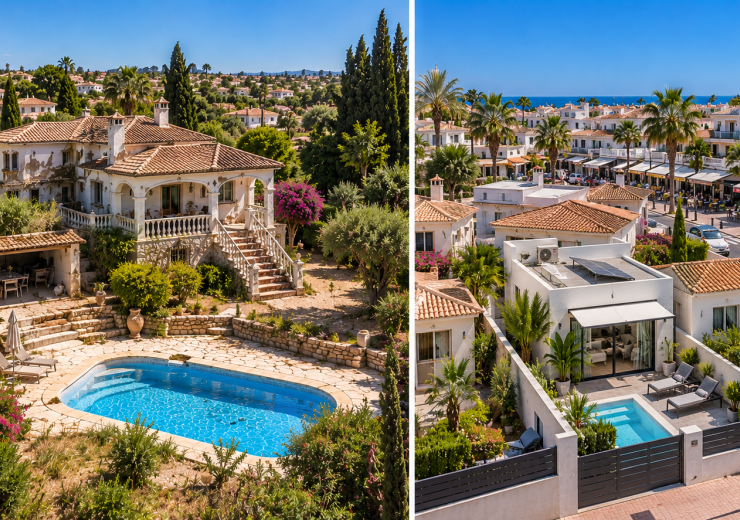
An older villa on a generous plot may offer exceptional possibilities, while a smaller, modern property in a walkable location may provide exactly the convenience and freedom another buyer is seeking. Neither choice is automatically better, and neither can be judged on asking price alone.
The villa that gives you the most space for your money is not necessarily the one that offers the best long-term value. Equally, the strongest investment on paper may not be the home in which you would most enjoy living.
Before deciding which property represents better value, perhaps the most useful question is not simply what you can afford to buy, but what you are really buying, what it will ask of you and whether it will still make sense for the life you want in five or ten years.
Written by Shelley Scott
Property Consultant & Business Operations, Right Priced Real Estate
Shelley Scott works with buyers and sellers across the Costa Blanca and supports the day-to-day business operations of Right Priced Real Estate. With extensive experience in the local property market, she regularly writes about buying and selling property in Spain, market trends, lifestyle and the communities that make the Costa Blanca one of Europe's most desirable places to live, retire and invest.
Disclaimer
This article provides general information and commentary on property ownership and investment considerations in Spain. Any examples are illustrative. Building regulations, energy efficiency requirements, construction guarantees, rental rules and other legal obligations depend on the property and circumstances and may change over time. Extensions, alterations, plot subdivision and additional construction are subject to applicable planning rules and necessary approvals. Buyers should seek independent legal, technical and financial advice before purchasing or undertaking substantial works. No particular rental income, resale value or investment return is guaranteed.

 Contact us